








Showing posts with label The Rolling Stones. Show all posts

Monday, June 13, 2022

(ARE YOU EVER COMING): BACK(?)

And I still haven't got around to seeing them, either? Them? Human League. (Or is it The Human League, I never quite grasping? A bit like the decade or so earlier arguments about whether it was The Pink Floyd or The Yes, but I digress.) Because, inevitably, it being the 21st century, no band is ever allowed to die, and are doomed to play on eternally, whether they like it or not, a St Vitus' dance of our days. (Witness this one, fr'instance....) The League, neatly sidestepping the above concern, play on and I still haven't seen them.

There was a time, of course, when I desperately did want to, when Don't You Want Me was top of the charts and Dare (the parent album) in my Christmas stocking. But I was too busy, too serious and too earnest for gigs in those days, newly married and employed at the lowest rung of the hospital ladder, freshly minted out of medical school. Blimey, I barely had time for records, hearing more music on the radio than on my pining-for-me stereo. But the recalcitrant muso in me still usually made time for 40 minutes of a Thursday evening, for Top Of The Pops. (Heart attack in casualty? Just wait till the end of this song......)


As the years passed, slowly life settled down. Live music slowly came back into my life, courtesy the wonderful Birmingham Odeon, a cinema in the central drag of the shopping centre, that, then at least, doubled as a the premier live venus for the city. I saw loads of bands there between 1984 and onward, until, unceremoniously, it reverted to films only. Boo, it leaving the city much of a wasteland for bands to play, it being pubs or Wolverhampton, a situation that remained until the refurbishment of the Town Hall allowed its return for concerts, followed, a year or so later, by the famed Symphony Hall, a truly terrific venue for bigger bands, it taking a certain reputation to fill it. Huge bands had always the godawful National Exhibition centre and, later, the National Indoor Arena, but both were/are soulless indoor caverns with extortionate parking and lacklustre and exorbitant bar concessions. But I still didn't manage the League. Dare was followed by Hysteria and Crash, the standard slowly slipping, despite the huge singles from the Jam-Lewis helmed latter album, to some extent discussed here. However, amongst the other dross was one absolute banger, the subject of this piece. Seeming a deliberate, if belated, part 2 to Don't You Want Me. Clearly the "waitress in a cocktail bar" really didn't want him and, with that slowly sinking in, maybe needing this second song to make sure: Are You Ever Coming Back?

The astute amongst you might be popping up your hands to catch my attention. What about, you say, I'm Coming Back on the album between the two, Hysteria. Arguably, extremely, this could be construed as the link between them? OK, so the lyrics are ambivalent and, if you buy into this derisory line of argument, surely Joanne Catherall would be singing the chorus, or at least part of it, she being the waitress from the song I suggest started it all. But, nonetheless. (I am conveniently going to disregard another and more prevalent theory that the "follow-up" to Don't You Want Me was given by the reconciliation through closure of Louise, on Hysteria. Trust me here.)

What came next? The loss of their record contract with Virgin, for one, after the poor showing of album number four. Their star so now out of the firmament, I have to admit I have never heard 1990's Romantic, but wonder if Rebound, one of the songs, might be the next step on our journey. Shall we see? I mean, she's singing, isn't she?


Sorry, now I'm obsessed and have to follow it through.... A long five years before they manage anything new, now on EastWest records. The oldies circuit had sucked them in, still, to this day, a source of lucre for bands of the 1980s. But Octopus, remarkably, garnished a rekindling of their karma, and, for a while it looked as if their may be (eight) legs in the League after all, even if, officially, there were six, it being just Oakey, Catherall and Susan Ann Sulley as the residual band members. Now I did hear this one, and think I even have a copy on the shelf. Anything here to prop up my hypothesis? Well, astonishingly, first track and lead single, Tell Me When, seems to fit neatest into the never say die spirit of the deserted Oakey figure from Don't You Want Me

Exciting this, isn't it, as we race to the finish, with but two further studio releases to come. Secrets, in 2001, saw them slipping back down the rankings, now on smaller label, Papillon. Again, knowingly unheard to my ears, I'm going to have to guess this one, the description of, again, first track and lead single, All I Ever Wanted as showing, as the UK Times newspaper said: "the playful interplay between Phil Oakey's sonorous baritone and Joanne and Susanne's girly voices are present and correct". And I can fully and confidently state that the more upbeat lyric might represent a feasible next chapter.

Well, the ten year gap between Secrets and Credo, the last official release in 2011, might confirm a dimming of the spotlight, at least commercially, in the world of new releases and chart acclaim. It seems the band had appreciated this, relying more on their continued pull as a live act, by now bouncing between the remember the 80's bandwagon and just being a quirky good time live act with enough cache to appeal to audiences growing up with them and the younger generation inspired by them. I'm not sure I can find the fitting song to bookend the flow of possible consecutiveness I have dreamt up here, but it must be there, I'm sure, having convinced myself of it. So let's just go with this, plcked at random. (And yes, it's true, nearly the only one with a decent available video. Or with a video at all.) If I squint hard enough, it falls and fits within the let me go/have me back nonsense I have tried to convince you of. Never Give Me Up is its name.


So, have I convinced you of this hitherto unexplored continuum across and between the releases of this band, as we witness together the turning of raffish young blade, Phil Oakey, to the somewhat desperate gent of today, his teenage accomplices themselves now somewhat matronly, as befitting their years. Worry not if it has just reminded you of the songs, as they're mostly good. Would I still go see them after this exercise? Well, never say never, but it may be I will just go see this lot again.....


Well, are you?


Wednesday, March 30, 2022

Shelter: Shelter

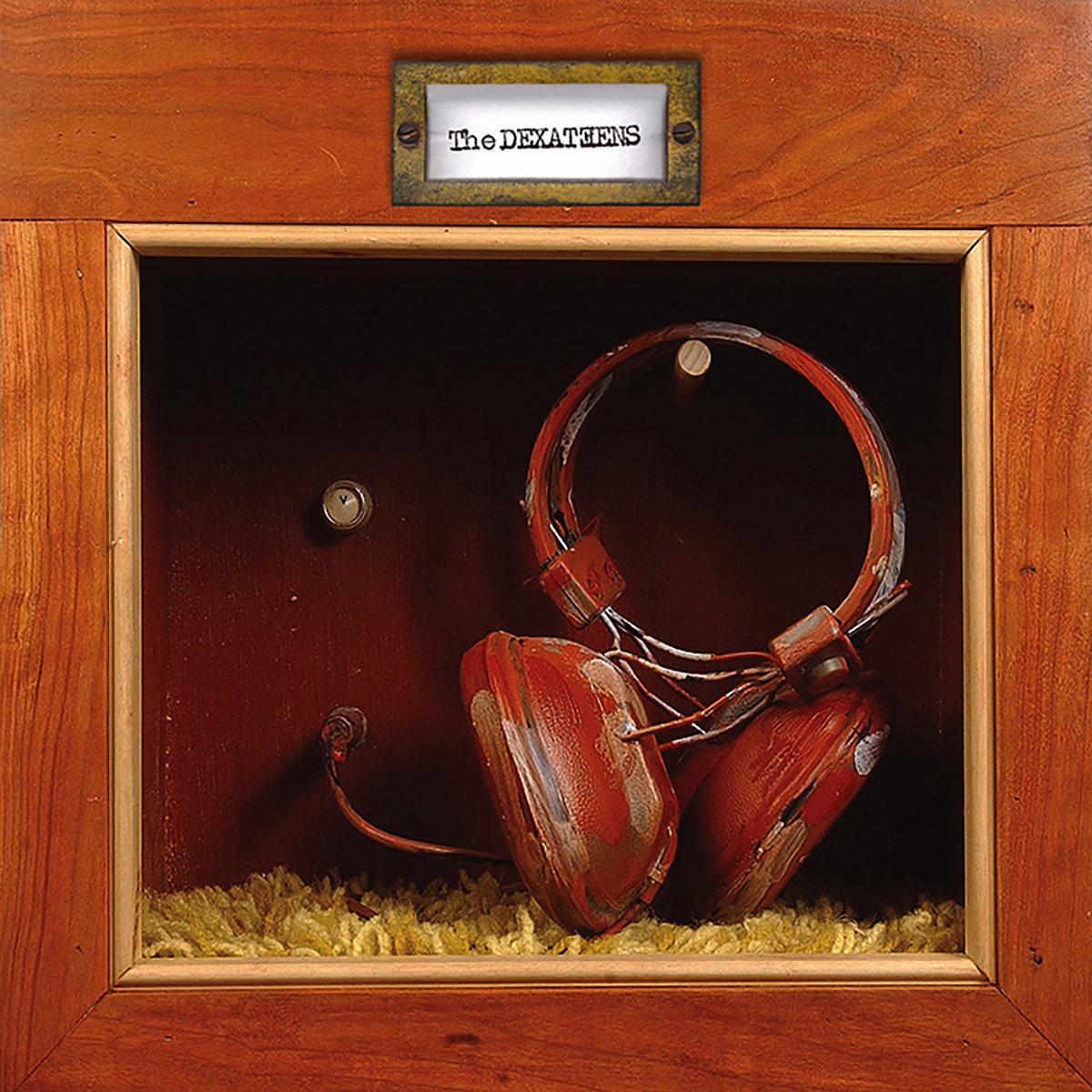
The Dexateens: Shelter
[purchase]

I seem to be writing about my song selection process a lot lately, which may mean that I’m trying to fill space because I’m running out of songs that have particular meaning for me. I hope not, because that would be bad for a blogger who mostly responds to theme prompts, but we’ll see—and maybe I need to take another short sabbatical to recharge. I’m spending a good deal of time these days working on projects directly or indirectly related to my 40th college reunion in May, which I’m sure I’ll figure out a way to write about down the road, and that also explains why I’ve been writing once per theme more often than twice these days. Also, there’s work and family. And good TV. 

So, when I heard the theme, my first thought was a King Crimson song, but seriously, who really wants me to write about another King Crimson song, and an instrumental, at that? (The volume of my Crimson-related posts surprises even me, considering that they are not my favorite band. What is my favorite band? I really don’t know.) My second thought was to pick the obvious Rolling Stones song, but I’ve written about that before. There’s also a Dylan classic, but writing about Dylan can be heavy lifting, and I don’t have the patience for that right now. 

Which inevitably led me to an iTunes library search, where I landed upon today’s feature song, “Shelter,” by The Dexateens. Is it a great song? No. Is it a good song by an underappreciated band in the vaguely Americana genre? Yes. Which means that it’s a good one for me to write about. (Although having finished this post, I realize that I mentioned the band a few years ago).

The Dexateens were formed in the late 1990s in Tuscaloosa, Alabama, featuring singer-songwriters and guitarists Elliott McPherson and John Smith, with drummer Craig "Sweet Dog" Pickering and bassist Matt Patton. If that last name seems familiar, we’ll get there. Their name came not from the same source as Dexys Midnight Runners, but instead from a guitar pick that Smith’s brother had gotten signed by Dex Romweber, a musician that you might have heard of. Or not. Although he’s pretty good and it is a memorable name. Mixing punk with southern rock, The Dexateens’ self-titled debut album from 2004 is excellent—raw and rocking, and “Shelter” is a Stonesy-stomp. 

I’m not sure when I first heard about The Dexateens, but it wouldn’t surprise me if it was in 2007, when their fine album Hardwire Healing was released, and it was co-produced by Patterson Hood of the Drive-By Truckers and David Barbe, who has worked with the Truckers (as well as playing bass in Sugar). I suspect that this was the hook that got me to check out the band, which has de-emphasized punk over the years. After some personnel changes, the band broke up in 2010. Patton joined the Truckers on bass (and as the occasional Ramones cover singer), and also plays with The Dexateens, which re-formed in 2013. And, he co-owns a recording studio in Mississippi (where part of the Ramones cover video in the link was shot). Busy man. 

 So, check out The Dexateens if you aren’t familiar with them.

Monday, November 22, 2021

BREAK/BROKEN: BREAKDOWN

Hmmm, possibly straying to close to the bone with this one, given I am currently "unwell" and away from work. Let's just say the NHS is a tough frontline to be patrolling at present, as we balance the (I wish!) post-plague demand with the ongoing per-plague issues, with much less than pre-plague resources or manpower. I'm OK, no walls hit, being able to recognise the signs and to get the help, but it set me thinking about how popular music tackles this phenomenon. Sure, I need to call it stress and burn-out, but it is, is it not, as much a cipher as was/is nervous breakdown. (And I'm sorta guessing, that the myriad breakdowns in bluegrass are probably a whole different kettle, if a shame, as there are so many good ones.....)

19th Nervous Breakdown/Rolling Stones

Clearly the template was the Stones. Far from number 19 myself, it is a cracking little number, prescient and surprisingly forthright for its day, when Jagger was singing about more than just chicks and whips. Indeed, it was, almost, a subject they stuck with for a while, but I'm eschewing the mother's little helpers for now. But that's enough about me. Where else can we find psych advice?

Breakdown/Grace Jones

I am uncertain if, in the the original Tom Petty version, this was a song that fits this concept/conceit, with the lyric sounding an almost passive aggressive exhortation to a possibly soon to be ex, but I so much like the idea of Grace Jones imparting wellbeing advice. I think she might, too. So, that being sufficient, Dr Jones is yer girl. Mind you, she has form in this arena. And her remedy, is it not, actually half the battle. 

Breakdown/Dawn McCarthy & Bonnie 'Prince' Billy

Kris Kristofferson strikes me as a fella who knows a demon when he sees one, and he certainly captures the sense of oft accompanying melancholia that can sit alongside anxiousness, shame and guilt. He wrote the above song, arguably better known in the version by the Everly Brothers, but I like this one, the poignant pairing of vocals as evocative as the siblings, maybe, courtesy Oldham/Billy, that little bit more. 

Breakdown/Jack Johnson

I think this is probably allegorical, a characteristically bouncy song from the onetime surf dude. I think he is better than he usually gets credit for, and if he can't say stop, I want to get off, well, who can? It is an insightful lyric, actually, and one that heightens my opinion of him all the more. For perspective, however, i offer the below, a truly ludicrous song that has my tongue as far in my cheek as it goes. If I were ever to worry, ol' Eddie has me convinced I ain't. Which makes this indulgence totally therapeutic, don't it?

Nervous Breakdown/Eddie Cochran

So much better am I now feeling, care of the healing power of rock and roll, here is something that also popped up, something I have on an odd compilation, Beginners Guide to Asian Lounge, which is actually pretty good. The mix of instrumentation and internal rhythms are quite a good representation of the maelstrom of conflicting emotions that congress when the candle has burnt too hard. Unless I am just hearing that as I need, but, either which way, all things being equal, normal service to be returned sooner or later

Emotional Breakdown/Mo Magic

(You liked the Earl Scruggs at the beginning too, did you?)


Thursday, October 7, 2021

What If: Buddy Holly Lived?

Buddy Holly: Crying, Waiting, Hoping (Apartment Tapes version)
[purchase]

This may be the hardest theme we’ve tackled here, and I’ll take responsibility for it, for better or worse. As a history major in college, and general history buff, I’ve also been a fan of “alternative history,” where one historical fact changes, and you speculate on how things might have been different. One good recent example of this was the HBO series, The Plot Against America (and the 2004 Philip Roth novel that it was based on), which launches from the premise that Charles Lindbergh defeats Franklin Roosevelt in the 1940 election. I’ve also read a ton of “what if the South won the Civil War” fiction, which shouldn’t surprise anyone who knows me or has read my writing

But, as I often have to remind myself, this is a music blog, so we are going think about what would have happened if Buddy Holly’s plane hadn’t crashed on that cold February morning in 1959 in Iowa. I’m no Holly expert (although I’ve done some reading about his career), so I’m under no impression that this might be a “definitive” discussion. And because I’m not writing a piece of speculative fiction, and have to therefore pick one path and follow it, we’ll look at a few possibilities, focused more on Holly’s potential career than his potential effect on music as a whole (or the effect of the deaths of the others who were on the plane that day). 

In "American Pie," Don McLean famously referred to the crash that killed Holly, Ritchie Valens, the Big Bopper (J.P. Richardson, Jr.), and pilot Roger Peterson, as the “day the music died,” but while that’s a great and memorable lyric, of course, it wasn’t. Most notably, two big Holly fans in Liverpool had recently formed a band named after an insect, in tribute to Holly’s band, the Crickets, and had Holly not died that day, I’m pretty confident that Beatlemania still would have swept through the world a few years later, changing the musical landscape forever, and pushing aside the type of “rock ‘n’ roll” music that Holly and his ilk had made popular (even as the Beatles covered Holly’s songs live and on record). In fact, I’d wager that had Holly lived, he would have been a fan of the Beatles, and even worked with them in some form—maybe writing songs with or for them or performing with them, or releasing his own Beatles covers (everyone else did). But probably not producing the Beatles, since they already had a pretty fair producer. (And don’t forget that the Rolling Stones covered “Not Fade Away” on their first album.) 

Another huge Holly fan was Bob Dylan, who actually saw Holly on the ill-fated Winter Dance Party tour in Duluth, MN, about 3 days before the crash, and referenced Holly as his first musical influence in his Nobel Prize lecture. So, again, Holly’s death wouldn’t have prevented Dylan’s rise and influence on music, and again, I’d bet that they might have collaborated—or at least, become acquainted—particularly after Dylan began to perform regularly in New York. You can easily imagine Holly, with Maria Elena, and maybe a friend like Phil Everly or Waylon Jennings, trying to watch the young Dylan incognito from the back of the club, and being impressed by his talents. 

But I’m getting a little ahead of myself. 

One way of looking at this question is by starting by analyzing Holly’s life and music before he died. In late 1958, Holly and wife Maria Elena, moved to Greenwich Village, in part to get a new start, but also to get involved in the New York music scene of the time. Holly, who was not only a musical genius, but appeared to have a more sophisticated business sense than many of his contemporaries, wanted to start his own label and open his own studio. So, maybe, part of Holly’s future would have been as a music executive and producer of other acts. 

During this period, Holly explored his love for jazz, regularly frequenting jazz clubs in the Village and elsewhere in the city. And he would go down to Washington Square Park and play with the other musicians hanging out there. The last formal recording session that Holly participated in was in New York, in collaboration with the Dick Jacobs Orchestra, recording four songs with heavy string orchestration. So, by some analyses, at this point, Holly was moving away from the stripped down rock ‘n’ roll that made him famous to a more sophisticated, smooth pop sound. For example, one of these songs, Paul Anka’s “It Doesn’t Matter Anymore,” might have presaged a future career for Holly as another Anka-style pop singer. 

At the same time, though, Holly was recording himself in his living room—what have later become known as the “Apartment Tapes,” and from these, you can hear Holly working both on his songwriting and lyrical craft, but also experimenting with tempo and styles. (Many of these demos were later overdubbed and released posthumously.) Add to this the reports that Holly planned to record with black artists such as Ray Charles, Mahalia Jackson and other soul singers (he was, memorably, the first white act to play Harlem’s Apollo Theater), and the prospect of Holly as a pop crooner becomes less likely. Nor do I see him turning to Vegas, like his friend Elvis Presley.

Another way to look at it is to consider the careers of two other musicians who were on the Winter Dance Party tour, but declined to get on the plane—Waylon Jennings, who was Holly’s bass player on the tour and gave up his seat to the Big Bopper, who was sick, and Dion DiMucci, who didn’t want to spend the extra money. There are some who think that Holly’s future, had he survived, would have been to move more toward country music, like Jennings, considering his Texas roots and twang. But I don’t think that Holly would have wanted to be so limited, because his musical tastes were so broad. Dion, of course, had early success, but when that faded, changed his sound to a more mature folk/pop approach, before moving through a Christian music phase, and more recently, focusing on blues, and I suspect that Holly, too, would have kept trying different things. 

Ultimately, I don't think that Holly would have become an “oldies” act, performing versions of his hits to aging fans. Instead, I think that Holly would have gone on to a varied career—writing songs for himself and others, in various styles that would have reflected his curiosity, interests and the new sounds that were developing in the 1960s and 70s, producing and nurturing artists, and continuing to perform new music for years.

Tuesday, September 8, 2020

Mail: Take A Letter Maria


R.B. Greaves: Take A Letter Maria 

[purchase

I’ve written in the past about how I started paying attention to music in 1969. as a result of hearing WABC, the classic New York Top 40 station, in the station wagon that took me to my summer day camp. And that fall, I have a vague recognition of being in the car with my mother, and hearing “Take A Letter Maria” on our car radio, and proclaiming it a hit. I was 8 years old, and already thought that I was a music critic. And here I am, more than 50 years later, still pretending to be a music critic of sorts. 

The funny thing is that my 8 year old self was right. “Take A Letter Maria” became a No. 2 hit on Billboard’s Hot 100 chart, blocked from the top spot by The 5th Dimension’s “Wedding Bell Blues,” also a great song. 

I’d be shocked if anyone reading this doesn’t know the song—it is sung from the perspective of a man who had just learned of his wife’s infidelity, and dictates a letter to his secretary, the titular Maria, informing his wife of their separation. At the end, he asks Maria to dinner. It’s a surprisingly peppy song, considering the subject matter, with Latin influences and mariachi horns. I think that the narrator is supposed to come off as a sympathetic character, trying to recover from the discovery that his marriage is over, and he’s been cuckolded. And overall, I think that holds up today, despite the fact that he breaks up with his wife by letter (the functional equivalent of the uncool breakup by text), and the fact that in today’s environment, asking out Maria would raise questions of power differentials and sexual harassment. To be fair, we don’t know whether Maria accepted the invitation. Also, I have to admit that the fact that he instructs Maria to “send a copy to my lawyer” makes me happy. 

“Take A Letter Maria” was written and recorded by R.B. Greaves, and I’d be shocked if most of the people reading this knew that, and if they did, if they knew anything else about Greaves. 

Greaves, who was the nephew of the great Sam Cooke, was raised on a Seminole reservation, but moved to England in 1963. A few years later, performing as Sonny Childe, and fronting a band called The TNT, Greaves became a popular live soul/R&B act in England and recorded a few singles, before leaving The TNT during the summer of 1967. (Without Childe/Greaves, The TNT became the backing band for P.P. Arnold, probably best known for her versions of “The First Cut is the Deepest” and “Angel of the Morning.”) 

Greaves’ big hit was recorded at the legendary Muscle Shoals Sound Studio, and featured the house musicians, including Donna Jean Thatcher (probably better known from her days with the Grateful Dead as Donna Jean Godchaux), Eddie Hinton, Jimmy Johnson and David Hood. And it was produced by Atlantic Records head Ahmet Ertegun (not even close to being best known as my ultimate boss during the summer of 1982). 

Greaves’ followup, a cover of the Bacharach/David song, “Always Something There to Remind Me,” stalled at No. 27 on the Billboard chart, and that, pretty much, was that for Greaves, although he continued recording into the 1970s. He died of prostate cancer in September 2012 at the age of 68.

Patterson Hood, of the Drive-By Truckers, who is the son of David Hood, the bass player on “Maria,” has covered the song during solo shows, sometimes with his father on bass. Here’s one such performance, in which Patterson talks about how the Rolling Stones wanted to record in Muscle Shoals in 1969, before leaving to perform at Altamont, and that on that day, Greaves recorded “Maria” during the day, and the Stones appeared at night to record “Brown Sugar.”

Tuesday, June 16, 2020

Open/Close: A selection of great albums that start as well as they finish


It's been a while since I've posted on SMM. No excuses--just the unpredictable rhythms of life that sometimes stir a current that takes you in strange directions. Riding the waves hasn't gotten me too far, a few thousand words deep into other projects, but not closer to anyplace special. Missing having a place to talk music with like minded obsessives, and with the permission of the venerable KKafa, who answered the door when I knocked, I'm back. 

SMM is a place I always find the kind of unique connection that good writing and great music can make in a life. And I really missed that.

So, hello. Again.

Our theme is “Open/Close.” I looked through my library for songs about openings and closings, and when I came across the 1998 hit, "Closing Time", by Seminsonic, and felt the familiar, shuddery revulsion that ubiquitous, somehow pseudo-anthem always brings up, and used that as impetus to get a little creative on the theme.

I decided to look at great opening and closing tracks from albums. How important is the first introductory burst of sound from the opening of an album, the signal of what is to come? If it's weak, a song you really don't like, the album as a whole might be doomed. It's a great song, an epic introduction, you'll never forget that perfect sensation of hearing it for the first time. Example: REM's "Radio Song", from 1991's Out of Time, was such a grave sonic let down for me that it kind of ruined the band, once my near beatific favorite, for me permanently. Whereas, "Up The Beach", from Jane's Addiction's explosive Nothing's Shocking, was akin to perhaps seeing the Red Sea part under the hand of Moses. Or something similarly miraculous. Oddly, both albums, while wildly different in so many ways it seems silly to compare them, could have been vastly different, even better, had they been tracked differently. Out of Time really should have opened with "Losing My Religion", that strident, minor key pop mediation on anger, played on a very non-top 40 mandolin; Nothing's Shocking would have been even more epic had it opened with "Coming Down the Mountain", an pure avalanche of a song.

The opening, then, is of the utmost importance. As is the ending. And how many albums end as memorably as they started? It's surprisingly few. But, then, that is my opinion and comes from my lament at the seemingly lost art of the full length album, and the collection of songs as a celebration, not just the single. Growing up, the 45, then the cassingle, was always secondary to the whole LP. The best bands put out the single, and the B-side was the 'unreleased' material. Kind of essential to the rest of the album, a completion of the experience as a whole.  But, B sides that are better than the A is another topic entirely. 

I scrolled through my Spotify feed (Sadly, I don't have a single CD, LP, or cassette in my possession right now), and found what I thought might be a good start to, and by no means exhaustive or exclusive, list of a handful of the greatest pairings of opening and closing tracks to feature on an album.

In no specific order, I posit the following opening and closing tracks to be the GOAT

The Rolling Stones, Goat's Head Soup: Side A, track 1: "Dancing With Mr. D"; Side B, Track 5: "Star, Star".  Wicked, naughty, steeped in dark arts,  these two songs provide the caps to my favorite Stone’s album ever. 1973's Goat's Head Soup, is a druggy, boogie down trip. There’s a strangely sinister vibe to the whole collection. "Mr. D" concerns death, and possibly meeting the devil  to discuss matters related to how the narrator might exit this world for another. "Star, Star" is...well, if you haven't heard it, you've heard about it.  It's classic Jagger bravado, and might be the response to Carly Simon's mysterious "You're So Vain."  It doesn't really ever make itself clear on that, but it is a celebration of the activity that culminates in the ‘little death’...to draw a connection. If there's a reason people thought rock n roll might be the devil's music, Goat's Head Soup makes for pretty compelling evidence.

AC/DC, Highway to Hell: Side A, track 1: "Highway to Hell:; Side B, Track 5: "Night Prowler" This classic opens with one of rock’s greatest travelogues, an invitation to travel straight to rock n roll hell, set to an instantly iconic guitar riff. The whole album is amazing, but starting with such a striding opening salvo, you are along for the ride, no matter where it takes you--I said it was hell, right? AC/DC proceeds to walk you along the same dark, dirty path as the Stones did, and they distinguish themselves as the only band that makes the Devil seem like a cool guy you want to hang out...The album closes out with the dark, blues dirge  "Night Prowler", a sinister soliloquy of a serial killer, delivered by Bon Scott in his signature howl. The song generated a lot of controversy, so it's best just to dig it as AC/DC's unique take on the blues.  On a strange note, the last words ever recorded by Bon Scott, as the song and the album fade out are "Shazbot nanu nanu", the famous catchphrase of one Mork, from a place called Ork...it was meant to be funny, but it is perfectly sinister here.

Prince and the Revolution, Purple Rain: Side A, Track 1: "Let's Go Crazy" is about as close to church as one can get. The man in the pulpit is calling the faithful to the ceremony, and it's impossible not to heed the call. Side B, track 4, "Purple Rain" is epically beautiful, achingly sad, and elegiac.  And it was somehow transcendent when it was new, a gospel tune over a rock orchestra, and a searing guitar solo to end. The song has never lost that sense of mournful beauty. It's poignant now, more than ever, as Prince's going home hymn. When I get to heaven, I too, hope to hear "Purple Rain" playing me in.  


The Who, Who's Next--not a question so much as dare to step up to a fight. Side A, track 1: "Baba O'Riley" is arguably the greatest, most imitated, most triumphant rock anthem. Ever. If you like rock n roll, have ever been moved by the power of simple chords, pumped at high volumes, chances are, "Baba O'Riley" set you down the road to glorious ruin and riot. The name is still a misnomer, even to people who love the song. The lyrics are strange and a bit more like a medieval pastoral than a stadium sing along. But, when Townshend sets the windmill going, and you're invited to scream the words that so aptly sum up so much of our collective youthful glory ("Teenage wasteland!"), you have to believe in the power of three chords and the truth. Side B, Track 4 is "Won't Get Fooled Again", which contains so much legendary greatness it is hard to call it just a song. It's a call to arms and poetic in its anger. The song gives eloquence voice to rail against  your frustrations and limits, and is a license to break the rules that keep you tied down. It crescendos with the greatest scream ever recorded in modern music. It's the song Whitman might have recorded, had he been born 100 years later. And, in the end it's the greatest 'eff you' ever recorded.

Who's Next, one of rock's great albums, starting and ending with two of the most powerful songs ever recorded , is one the greatest rides you can ever take in the grooves of a vinyl record, and the greatest fulfillment of rock music's transformative promise. And, my obvious vote for greatest opening/closing set in rock history.


Friday, March 20, 2020

Non-sense: Heartbreaker (Doo Doo Doo Doo)


(the video and audio do not match, but the combination is an interesting mix)

purchase [Goats Head Soup]


Had enough of the doo-doo we're publishing? Well, here's another.

Actually, if I had done my homework well last week, I would have posted a version of the Stones performing <Da Doo Ron Ron>. Here.


I would stand up for the Stones like many Pres D.T. supporters do: well, maybe not even if Mick shot someone on Broadway, but just about through thick and thin. Thin includes their version of <Da Doo Ron Ron>: it's even worse that most of <Between the Buttons>, but then... that was a long time ago.

<Goats Head Soup>, the album that included "Heartbreaker" faced a fair amount of headwind: it came out the year after <Exile on Main Street> - a rather hard feat to beat. That said, it includes some of my favorites (in addition to "Heartbreaker"): Angie, Winter, 100 Years Ago. Not too shabby IMHO.

As for the non-sense aspect:
we could go back to the "doo-doo head" aspect of the lyrics, but that is probably not what Jimmy Miller, the producer had in mind. This seems more like of case of "we need filler lyrics" and <da da>, <doo doo> is what might come to anyone's mind. ie: no meaning/non-sense. Mission accomplished.

Having missed my prompt for other versions of "Da Doo Ron Ron", here's more:


Tuesday, February 4, 2020

Rockets/Space: Outa-Space


Billy Preston: Outa-Space
[purchase]

When I was 10, in the summer of 1971, my parents sent me to sleep away camp for the first time, and it was not a good experience. It was not a good camp (although based on some stuff I saw on Facebook, it might have been at one time), and I was homesick. But it wasn’t only me—it was common for campers to try to sneak out of camp, despite the fact that there was really nothing within walking distance (and I know, because we tried…but that’s another story that includes being locked in a hot van with nothing but Rice Krispies….). Also, the water tasted of sulfur. Other than that, it wasn’t too bad.

My complaints about that summer resonated with my parents, who then spent more time researching summer camps, before choosing to send me and my sister to Timber Lake Camp, which was an excellent camp that no one tried to escape, and had delicious drinking water. I absolutely loved my two summers there (and my couple of weeks as a counselor, years later, right before I went to college). Our experience at TLC led to a big influx of campers from my extended family and hometown over the years, and my sister and brother are still in touch with friends that they made there. (A few years after I stopped going, the camp was purchased by Jay Jacobs, now the NY State Democratic Chairman, and made even fancier and better than when I was there, and it was pretty good back then).

As I have previously mentioned, my first experience with radio, which in many ways was an onramp to my love of radio and music and without which I probably would not be a music blogger, was at WTLC, the camp radio station. But this isn’t about that. I think that most camps wake up their campers with some sort of “Reveille,” because there is something vaguely military about people sleeping in bunks. But at Timber Lake, in the summer of 1972, the counselors were, for the most part, young men and women in their late teens and early twenties, and during that era, in that place, I have to assume that the military wasn’t particularly popular. Instead, we were usually awakened by some loud rock music playing on the loudspeaker.

And if you asked me what songs they played, the only one that I remember was Billy Preston’s “Outa-Space,” a funky, spacy instrumental. It made waking up relatively fun, and I’m pretty sure that I played the song on the radio, learning that it was by Billy Preston, about whom I basically knew nothing.

What I know now, is that “Outa-Space” was a big success for Preston, despite the fact that his record company refused his request to release it as a single—instead, it was a b-side that DJ’s flipped. It sold more than a million copies and hit number one on the Billboard R&B chart and number two on the Billboard Hot 100 during that summer, and won a Grammy. And I also learned that its distinctive sound came from Preston experimenting with a clavinet run through a wah wah pedal.

Preston, a self-taught child prodigy, backed Mahalia Jackson when he was 10, joined Little Richard’s band in his teens, and while with Richard in Hamburg, met The Beatles, with whom he played a few years later, and who signed him to their Apple label. He is one of the candidates for the mythical “Fifth Beatle” title, but it wasn’t until he left Apple, and joined A&M Records, that he had solo success. His first release for that label, I Wrote A Simple Song, included “Outa-Space.” Over the next two years, Preston followed up a bunch of hit singles, "Will It Go Round in Circles,” "Nothing from Nothing", and the also theme appropriate "Space Race."

In addition to playing with The Beatles, Preston opened for and played with The Rolling Stones, wrote “You Are So Beautiful” for Joe Cocker, was the first musical guest on what was then called NBC's Saturday Night, did session work with Luther Vandross, Whitney Houston, and Patti Labelle, and toured with Eric Clapton and The Band. However, cocaine addiction and a sexual assault charge derailed his career in the early ‘90s, before he made a handful of live and recorded guest appearances in the 2000s. Preston died in 2006.

One of the great things about writing for this blog is that it often forces you to revisit music that you haven’t really paid attention to for years, and I have to say that “Outa-Space” sounds just as good today as it did to my 11 year old self back in 1972.

Friday, January 24, 2020

SOMETHING WITH 20: TWENTY FLIGHT ROCK

OK, OK, a bit obvious, but I can think of a dozen and two thirds reasons why it has legs aplenty, perhaps even enough for two crabs. Plus, and here is the bonus, it gives the opportunity to celebrate one Connie 'Guybo' Smith. Who he? What, aw, c'mon (everybody), SWIDT.


No, of course I didn't know either, a gap in my and, possibly,  your encyclopaedic I am now happy to fill.
Twenty Flight Rock, or 20 Flight Rock as it looks better, was a rock'n'roll/rockabilly banger that first made its appearance in 1956 film, The Girl Can't Help It, a film to celebrate the emergence of teenagers as a viable sub-group of society and a market for the cinema to exploit. Naturally, music and sex were the selling points, the latter in the form of twin peaks, not the film, actress Jayne Mansfield. As in most such films, the plot is the usual mess of wannabe stars, svengalis and shattered dreams. Or thereabouts. The plot doesn't really matter, it is really all about the music, the OST littered with soon to be idols like Little Richard, Gene Vincent, Fats Domino and, of course, Eddie Cochran.


Following the success of the film, Cochran put out the song again, re-recorded, to be a bit more polished than the raw barnyard trio version in the film, where the instrumental might had been voice, guitar, bull fiddle and a cardboard box. A 2nd guitar and backing vocals were added for the newer version, which is, inevitably, not a patch on its predecessor. Apart from Cochran, the other one constant was Guybo. A boyhood chum of Cochran, he played various stringed bass instruments alongside him for most of the early classic years, and was on the farewell tour of the UK, that ironically became just that, as Cochran was killed in a road traffic accident. Guybo lost his place in the sun, but continued to be a reliable source of detail around these formative days, popping up in documentaries. Hell, he even has a facebook page, if somewhat quiet of late.


Arguably the Cochran legacy gained no small boost from his death: nothing like the early burn of a free spirit to grant status as an icon. This happened perhaps more in the UK than at home, as, unlike many of his compatriots yet or ever to grace these shores, the british Teddy Boys took especially to Cochran, likewise to, injured in the same crash but surviving, Gene Vincent. (But let's face it, these cool dudes looked one whole lot more street than much of their R'n'R compadres.)


The song has lived on in many versions. True, most do nothing fancy with it, regurgitating the basics and, give or take an occasional sax, leaving at that. Indeed, think of any revivalist band treading the boards between now and then, yup, they'll do it, whether anodyne chart teds, Showaddywaddy, or genuine believers like the Stray Cats. But a few bear mention. Legend has it that it was the song used by Paul McCartney to serenade John Lennon, as the latter recruited the former to what, in time, became the Beatles. No recordings of that remain, bar this near decade later studio eavesdrop, but McCartney has oft included it in live performances. I prefer this version, however, from the Beatles in Hamburg biopic, Backbeat, where the story and the song see to come together.


Rivals the Stones, always IMHO a sturdier torch holder of the R'n'R essence, had to show that anything they did was better, an easier task given the Beatles being long gone by this 1981 performance.


But all this rock and roll credibility forgets this is essentially a rockabilly song, the country hick version, no les potent for its lesser sophistication. So who better than Commander Cody to give a (slight, very slight) country twist.


Perhaps the closest in spirit to 1956 and The Girl Can't Help It is this final clip, the effervescent energy of Leith identical twins, Craig and Charlie Reid, aka the Proclaimers, bursting through the grooves.


Rock the joint!

Monday, May 6, 2019

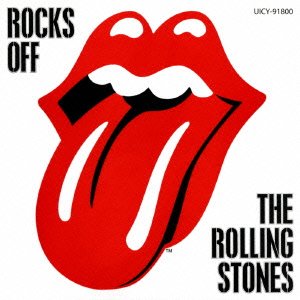
Stones That Roll: Rocks Off


Rolling Stones: Rocks Off
[purchase]

Of all of the Rolling Stones songs out there (and eventually, we had to get to them on this theme, amirite?), I chose this one for a few reasons. First, because of the title, which gives me a double dip at the theme, second, because I happened to hear it on the radio the other day, third, because it is a kick ass song, fourth, because my favorite Rolling Stones lineup included Mick Taylor, and finally, because a horn section makes any song better.

“Rocks Off” is the opening track from Exile on Main Street, an album many consider the Stones’ best work, although apparently Mick Jagger doesn’t agree. The album was recorded mostly in a villa in the south of France in 1971 (with some songs and overdubs recorded later in Los Angeles), and the recording process was notoriously chaotic, as a result of significant indulgences in bad habits and a corresponding lack of diligence on the part of all involved. Thousands of pounds of heroin reportedly made their way to the villa each week, and because of rampant absenteeism, many songs were recorded with session musicians or people playing different instruments than usual.

Whether by intention or not, “Rocks Off” is the perfect opening track for an album that was born from the Stones’ darkest behavior. It rocks like crazy, is terribly recorded, sounds murky, has vocal and instrumental parts that sort of meander in and out of the mix, is sexually suggestive, but also filled with dread and ennui, and it includes one of the great lyrics of all time—and one that seemed to exactly typify the state of mind of the band at the time: “the sunshine bores the daylights out of me.”

Most people don’t live the “rock and roll lifestyle,” and that is probably a good thing. Most of us live pretty conventional lives—we go to school, go to work, raise a family, whatever. Obviously, that’s not true about everyone, and most of us have had our periods of less than stellar behavior, but I think it is fair to say that the levels of debauchery that the Rolling Stones engaged in during the late 60s into the 70s is well beyond the levels that most people experience (or survive). And that is, probably, the reason why we mythologize the substance abusers, the hotel destroyers, the sexual experimenters, and the other outlaws of rock and roll, despite the fact that much of their behavior is, on its face, unworthy of such treatment. I find it hard to imagine, for example, any parent saying to a child, “here’s a guitar and some heroin, and if you work hard at both, someday, you might be as great as Keith Richards.” But we do lionize these performers not only because many of them create the music that we love (although some are just horrible), but also because of the vicarious thrills we get from them. Like why riding a roller coaster is so much fun—you get the excitement of danger, without the actual danger (for the most part).

Would I like to have spent months in a villa in the south of France recording an album with the Rolling Stones? Sure, although lacking any actual musical talent, I’m not sure why I’d be there. But would I have liked to spend the time drugged, debauched, frustrated and exhausted? Definitely not. But am I glad that the Stones, their sidemen, and crew did, so that I could listen to Exile on Main Street? You’re damn right I am.

Friday, January 4, 2019

Un-Sainted Nicks: Nicky Hopkins


purchase [No More Changes ]

Can you identify a musician's "signature style" just by hearing them play on a particular track?
For a vocal artist, it's pretty straight forward - their "instrument" is highly unique. But whaddabout a guitar player or a keyboard player? To the knowledgeable, a Fender sounds different from a Gibson. A country picker sounds different from a rocker and so on ... But what is it about their style, their sound that sets them apart?

In the case of Nicky Hopkins - need I say, one of the most sought after session keyboard artists throughout the 70s and 80s - it appears that it was personality more than keyboard fingering that set him apart. Great work, but could you identify him on a track just by hearing it?

I've been to the Keyboard mag site and an article titled "5 Ways to Play Like Nicky Hopkins" in search of an answer. Among other notes, they report one of his signature techniques involved: " a sus2 embellishing the third scale degree". If that tells you more than your ears tell you ... Wow! Their review of his style only gets more technical as it continues (beyond my ability to follow).

His Rolling Stone obituary said  he played "fast, accurate pounding piano lines to flesh out the sound of everything ...", as well as "skill, reliability and cheerful personality ensured he was the sort of session player untutored rockers could relate to". I want to believe that it is this that put him in such demand. When you play with others, how you fit in at the moment is as important as your speed or your technique.


My bad: I hadn't realized that Nicky Hopkins had passed - and it's been 25 years. I knew his name/fame primarily because of his session work with the Stones and the Kinks, but never delved particularly deeper than acknowledging his chops here and there. So ... let's post this under <Nick> but let it lead us into <In Memoriam>, even if he didn't pass this past year. (SMM might have missed him back when he did ... wait: SMM wasn't yet online back then!)

His Wikipedia page reveals so much more: all over the place, he was. The full list is overwhelming:


A taste below:


Art Garfunkel (above)


Jeff Beck (above)


The  Rolling Stones - Sympathy (above)


The Grateful Dead/Quicksilver (Edward the Mad Shirt Grinder)


the Who -the Song is over (above)


John Lennon -Jealous Guy

Thursday, December 20, 2018

Extras: Albums that came with extras


I veer from the standard "post a song with extra" because I just couldn't get into my original idea. It's not that Lou Reed's Claim to Fame has no claim to fame, but ... it *is* just one more of a few hundred songs that happen to have the word "extra" in the lyrics. I wanted something a little more entertaining at this time of year.

There must have been like a million albums produced since the invention of the phonograph, and it must be a perennial quandary for the artist and the producer to come up with something that makes yours stand out. Sometimes good music in and of itself isn't enough. I think of my copy of Dave Mason's Alone Together, which was pressed onto somewhat psychedelic multi colored swirling vinyl - kind of unique. I've seen albums with funky shapes.

One album with something "extra" that sticks in my mind is Sticky Fingers, with its actual zipper "sewn" into the album cover. You can't help but pull it down to see what's ...
And aside from this kind of attraction, lots of albums have included band-related posters.

But going to a more extreme additional form of entertainment for the fans ... (and these - for the most part - are generally verified hearsay. Sue me if I'm wrong)

Cheech and Chong's Big Bambu included a huge rolling paper. No surprise there.


Sgt. Pepper's included a a cardboard page of cutouts - epaulettes, moustache, badges ....


ELO's Out of the Blue included a cardboard cutout of their iconic spaceship.


Three Dog Nights' Seven Separate Fools album came with seven oversize playing cards.


Alice Cooper's Schools Out came with paper panties as a wrapper.
Any you care to add?

Saturday, November 11, 2017

Train: Silver Train

Purchase Silver Train: The Rolling Stones  or Johnny Winter


Goat's Head Soup, by the Rolling Stones, came out in 1973 and marks the next to last entry into what I believe is one of the great artistic and creative runs by any band, ever.

This string of greatness started in 1968 with Beggar's Banquet, wherein the band left behind the psychedelic niceties of the Flower Power era and emerged from that silliness as full fledged rock n roll roughnecks, carrying on switchblade sharp and full of  ballsy, cock-sure swagger on their next five albums. Let it Bleed, Sticky Fingers, and Exile on Main Street. Goat's Head Soup gave way to the  glorious finale, It's Only Rock 'n Roll. The Stones cemented greatness with these albums; aspirations of pure genius, despite, or perhaps because of, the chaos in the world around them. Their reactions to the madness of the Viet Nam era, their own bad habits and the darkness they sought out through their own arcane desires and misguided investments into the under world of substance abuse--all of it comes out in these albums. And the legends, even if it's only that--legends--make the accomplishment of these albums even more astounding. Lesser mortals would have faded long before approaching anything quite as grand as the Stone's '68 to '74 run.

To have produced such greatness, so many amazing rock songs, sounds and words that were iconic almost as soon as they were pressed to vinyl and will remain so, for as long as rock 'n roll is rock 'n roll? It's amazing, akin to the New Testament of the Bible of Rock. Prophetic and significant, timely and vital still. Fresh blood still runs in the grooves of these albums and will continue to be an influence on music in perpetuity.

One of my favorite tracks off Goat's Head Soup is the 6th track, "Silver Train". It's almost an afterthought, after an opening set of five utterly iconic songs ("Dancing with Mr. D", "100 Years Ago", "Coming Down Again", "Heartbreaker", and "Angie").  It's a guitar boogie, with a harmonica/train whistle warning sounding throughout, as if telling you to get off the tracks. The guitars chug and slide, playing havoc off one another, but it's Ian Stewart's piano, building from a rhythm check into something that threatens to derail the whole song into a beautiful chaotic wreck that moves this track at such a fevered pace.

In researching the song, I didn't realize that the title was a reference to Johnny Winter, the albino guitar king, who, after hearing a demo of the Stone's version, recorded "Silver Train" himself and released it on Still Alive and Well. His version came out just a few months prior to the Stones', and it is pure jam, too.  Johnny Winter is best known for "Rock n Roll, Hoochie Koo", which is really kind of nuts, when you listen to what he did on the guitar and hear how hot he could light up a fret board. Too bad his genius is often relegated to getting lazy football fans our of their seats on game day...


I give you both versions today. I've had my acoustic in Open G for a few weeks now, working hard at learning "Tumblin' Dice" (off Exile), but I'm going to give "Silver Train" a go, as well. Nothing better than learning from the best...


Wednesday, August 30, 2017

Shadows: Have You Seen Your Mother Baby ...


purchase [Got Live If You Want It ]

Various online sources note the horn section on the Stones' <Have You Seen Your Mother Baby>, arranged by Mike Leander and produced by Glyn Johns. But the use of the horns wasn't the only thing the Stones were experimenting with in 66. It could have been the guitar effects, it could have been their lifestyle, it could have been their public personas.

Would you let your daughter marry a Rolling Stone? The group was well into establishing their "bad boy" image, and one of the PR photos that goes with this has them dressed in drag. And that is kind of what this song is about - Various things in the shadows. 


The song is a continuation of their (not just) lyrical provocations:, but think also: I Can't Get No Satisfaction, Let's Spend the Night Together, Get Off of My Cloud, Nervous Breakdown... you continue the list.

Snipets of the lyrics suggest to me that they are asking the girl for more than sympathy, even as they sing

I'm all alone, won't you give all your sympathy to mine?
We live in... glimpse through... hate in ...tear at ... the shadows.
There's a lot in the lyrics that isn't particularly clear and that's probably the intention. Do with it what you will. What you do in the shadows of your mind is your business.


Friday, May 12, 2017

Songs From Movies About Musicians: Gimme Shelter

[purchase 20 Feet From Stardom]

One of the best documentaries about musicians was 2013’s 20 Feet From Stardom, which focused on the background singers that we all have heard, but often don’t recognize by name. Not only was it interesting and filled with great music, the film addresses one of my regular writing subjects—why are some incredibly talented musicians not as famous as they probably should be. 20 Feet discusses many of the reasons—bad advice, bad luck, bad decisions, and even a lack of that certain something that allows you to traverse that 20 feet. I’ve mentioned the film before, in my piece about Darlene Love, who is probably the most famous of the singers featured in the film.

But maybe the most famous vocal discussed in 20 Feet, and for me the most memorable segment, was about Merry Clayton’s searing “rape, murder” vocal part in the Rolling Stones’ “Gimme Shelter.” Luckily, I don’t have to describe the scene in detail, because the video above is a clip from the movie, in which Clayton and Mick Jagger discuss the circumstances. But if you can’t watch the video, in short strokes, Clayton was called out of bed to sing for a band that she hadn’t heard of, was whisked to the studio, pregnant and in her pajamas, to add a searing and unforgettable part to what would become a classic song. Not only are the vocals powerful, the way her voice cracks only adds to the emotional impact of the part. In the video above, you can hear the isolated vocal tracks, which is cool. Here’s Clayton’s cover of “Gimme Shelter,” featuring occasional Stones sideman Billy Preston:


Clayton, born on Christmas Day (which led to her name) in New Orleans, was a veteran singer by the time the Stones roused her from bed. Her powerful vocals were also featured on, among other songs, Neil Young’s “The Old Laughing Lady,” and Lynyrd Skynrd’s “Sweet Home Alabama” (reluctantly). While Clayton never covered “Sweet Home,” she did do a great, soulful version of the song that it responded to:


In addition, she has had an acting career, both musically—Clayton was the Acid Queen in the first London stage production of The Who’s Tommy—and in movies and TV. More recently, she contributed vocals to albums by G. Love & Special Sauce and one of my least favorite bands, Coldplay.

Unfortunately, in 2014, Clayton was in a serious car accident that led to her having both legs amputated at the knees. She returned to the public eye in 2015, receiving an award from the Jazz Foundation of America (where Keith Richards performed "Gimme Shelter" in her honor with, among others, fellow 20 Feet star Lisa Fischer, who sang the song for years on tour with the Stones) and supporting Obamacare and the MusicCares charity that installed a chairlift in her home, and reportedly is working on a new album.

Friday, October 21, 2016

My First Album (s): Beatles 'n Stones


This is a great topic: first album. Cassette, CD, 45…

I wrote a lot for this, dividing my firsts up into multiple categories that involved the traditional first purchase, but extended to some stranger places: my mom’s record collection; the first record store I ever went to (Viva Kemp Mill Records!);  my earliest memories of flipping though records in the Kmart and being a little scared of the KISS, Ozzy and Sabbath stuff; all the way to the pawn shop that was right next to the comic shop I used to frequent every day after middle school, where I bought a then almost 10 year old copy of AC/DC’s Back in Black, for a quarter…the first tape I bought, my first 45... I thought I remembered more specifically, but it's hard to put a finger on the actual first of whatever category I actually money down on. I do remember some purchases: the vinyl pressing of USA for Africa, which was...whatever, in retrospect, but did have a blistering live version of Springsteen doing Jimmy Cliff's "Trapped", which to this day gives me the shivers when I hear it.

I realized, though, my musical memory is endless, each recollection better than the one before, so many stories that spring up from hearing even a two second scrap of a tune. Music, for those who love it, resides in what the soul must be. And the knowledge that one possesses of their musical past and how it has built towards their ever-living, always sound-tracked present, has to reside somewhere deep in the physiology, someplace close to the DNA, the stuff that makes us who we are.

After considering the many, many options I could qualify for “first”, I decided to go with this: My friend’s older brother’s LP collection.

David S. was a fourth grade rock god to me. He knew more about the Stones and the Beatles than anyone I knew. Which is to say, he was the first one to tell me about those two bands, and therefore was the ultimate authority. All his facts and tidbits and knowledge, especially of lyrical content and album cover art must have to come to him from a much older, very educated older brother  (I remember thinking his parents were his grandparents when I met them—grey and old; David was a ‘mistake’ baby).

He came over to my house for a playmate (though we didn’t call it that back then) and we spent much of the afternoon pouring over the covers of the stack of albums he brought and listening to the music. Tattoo You was really fascinating to me, with the tribal images of Mick and Keith looking like Maori warriors. Beggars Banquet was somehow a little scary looking, a place I shouldn’t be; Sticky Fingers was titillating dirty because we could pull on the zipper in the pants. Some Girls was fun in a more innocent way: the die-cut, movable features was a lot like the pop-up books I still liked at that age. He also had a copy the Beatle’s Yesterday and Today with the infamous butcher scene, though it must have been a reprint. Sgt. Pepper’s was what really grabbed me, and we poured over that famous cover scene for what seemed like hours. Abbey Road was awesome, too, due to the fact that he explained the legend that Paul was dead and this was representative of his funeral and that each Beatle was a member of the funeral party. Mind you, all of this intense scrutiny of the art work and the head-spinning tales David was telling me—the stories beyond the songs—was done to a soundtrack of what could arguably be considered the greatest rock music ever recorded. Like so many, The Beatles and the Stones hold exalted status for me in the pantheon of rock, and regardless of how far afield I stray, sometimes for good, often for worse (I went to see Quiet Riot in the 8th grade, Bon Jovi and Cinderella in 9th), I always go back to the Beatles and Stones. It doesn’t make me unique; it just means I have a pure rock pedigree, good genes, if you will. 

We eventually got around to the White Album and then, because I wasn’t really as singularly obsessed with music as David, I took us out to play war in the construction site nearby and David eventually, incensed and bored, stalked off and went back to my house. My mother had to take him home. It was a great day, one that sparked my musical journey, despite David not wanting to be my friend anymore (he was really offended at the joy I took rolling around in the dirt, shooting a fake machine gun and running myself through freshly hung drywall in effort to emulate fabulous special effects like in the movies). A great day, but one that in retrospect shows me that perhaps even at that age, I was already lacking any kind of particular, obsessive focus that if I had may have led me down a very different path in life. David might have become a rock star for all I know—he had the singularity of mind to do what it took to make great music. He had the pedigree; he knew the legends and the stories and the myths; he knew what the songs were about, especially the dirty ones, even if we didn’t really know what was going on—Jagger’s penchant for “make sweet love” as a lyric, while ubiquitous, didn’t mean much to me then, other than I knew I should giggle when I heard it. He had the moves and the ability to mimic, especially Mick Jagger. Have you ever seen a 4th grader strut and prance and mime the vocals of Mick Jagger? No? You should—it’s a lot less creepy and whole lot more entertaining than those little kids who always seem to be part of any Elvis Presley impersonation festival.

What is amazing, though, is how certain sounds, and in this case, album sleeves, certain images, especially the visual and aural beauty of rock music, can work to blow open your understanding or perception of the world around you. Up until then, I’d been grooving to things like the AM radio, or stuff that my dad would sing around the house. I had a few soundtracks to movies I loved (Star Wars, The Muppets), but otherwise, like a typical nine-year-old kid, my musical sensibility was scattered at best, influenced by what was accessible to me. I didn’t have that ever-important older sibling to act as my musical sage, guru and guide. So, I made do with what was available to me and, given the passion music stirred in me, I worked pretty hard at finding sounds after that fateful day when David S. brought over all those records. It’s been a good journey, one that gets better the longer it goes on. In terms of the metaphorical quest, this is one that needs no end, as the longer the way, the greater and more abundant the rewards.