








Wednesday, May 28, 2008

1984: If I Had A Rocket Launcher


Bruce Cockburn: If I Had A Rocket Launcher

[purchase]

Canadian singer-songwriter Bruce Cockburn had been around for a few years, but he made the musical "map" in 1984 after a fact-finding trip to Central America with OXFAM left him reeling with the horror of the death and destruction the Reagan Administration's leadership in the area had brought upon the people. Being a musician steeped in the political folk tradition, instead of coming back and picketing or merely hanging his head in despair, Cockburn turned his anger to social justice through song, heading into the studio in a storm.

The resulting album, Stealing Fire, was both an expression of frustration and a call to action. Taken as a set, the songs of Stealing Fire were so antithetical to the values of the Reagan administration that the album put Bruce Cockburn under suspicion as a sympathiser to the Nicaraguan Contras, and his visa was taken away. Nonetheless, Cockburn's music traveled where he could not. And the fire he fueled made him a star.

I like many of the songs on Stealing Fire; Lovers in a Dangerous Time, especially, is a perfect ode to nervous love amidst the ruins. But if Stealing Fire is folk rock at its political best, If I Had A Rocket Launcher is its angriest outlet, a direct response to Cockburn's visit to a refugee camp which had been recently attacked by the US-backed Guatemalan Army. It was a pretty big hit on MTV, and, though I was only eleven, I remember the song leaving me with a sense that maybe, just maybe, all was not right with the world after all.


Afterthought, and bonus version: I put Cockburn away for a long time after the late eighties; his more recent preference for moody plugged-in soundscapes is great stuff, but it is often too pop-produced for my taste. But a few years ago I discovered this bittersweet live acoustic version, from a 1990 radio session, and it renewed my interest in the song.

Without the crashing eighties production of the original, the stripped down Rocket Launcher delivers such an incredible pain, such a potent cry of impotence, it stands as ageless. And that's good, because we still need such a cry, I think. For if anything, in a world where torture still happens in our name, we are even less empowered to do anything about it than we were when Cockburn wrote this magnum opus.


Bruce Cockburn: If I Had A Rocket Launcher (live acoustic version)
1984: Thumbelina


The Pretenders: Thumbelina

[purchase]

If you remove the incredibly lame track "Watching The Clothes", The Pretenders' third album, Learning To Crawl, is just about perfect. Rush Limbaugh theme songs notwithstanding, the album has really stood the test of time.

The featured track is Thumbelina, which is one of my favorites. Chrissy and her little daughter are flying west, down the highway.


"The Oklahoma sunrise becomes the Amarillo dawn."

1984: Magic Toy Missing


[purchase]

The Meat Puppets: Magic Toy Missing

By 1984, the Kirkwood brothers had grown tired of screams and white noise. Experimenting with country licks and psychedelic sounds, their 2nd album was a serious departure, but instrumental in the foundation of cowpunk. Nine years later, Nirvana granted Meat Puppets II legendary status, covering THREE of these great numbers.

Every time this album pops up, I can't get enough of it. The instrumentals really tear.

1984: I Had A Dream


[purchase]

The Long Ryders: I Had A Dream

The Long Ryders proudly wore their influences on their sleeve. 1984's Native Sons LP helped bridge the gap between The Byrds/Burritos and Uncle Tupelo and the cover photograph is actually an homage to Buffalo Springfield's unissued Stampede album (jpg). Includes a great cover track on Mel Tillis' Sweet Mental Revenge, an early cowpunk number in its own right. Also, Gene Clark sings on Ivory Tower, and that's saying a lot.

I've always thought the Ryders were conspicuously absent from fellow Starmaker Paul's Jangly Eighties series (highly recommended for further investigation of this genre). When queried, Paul had this to say about them:

"I vaguely recall that they did a beer commercial or something that turned me off...I was militantly anti-sellout back in those days!"
Awesome! But, unfortunately for the Long Ryders, Paul wasn't alone in that sentiment. The Miller beer commercial was the beginning of the end.

1984: Harborcoat


R.E.M.: Harborcoat

[purchase]


Really it’s amazing that it took so long for REM to break through and become the super-group that they are now. They were an amazing young band, they were played on college radio constantly, they received breathless critical acclaim from everyone who counted, and MTV (which was only loosely mainstream at the time) gave them considerable screen time. However, as hard as it is to imagine now, REM really was an “underground” band all the way until the release of Document in 1987.

Reckoning, released in 1984, has always been one of my favorite, if not my very favorite, REM albums. There’s still so much youth and energy here. There isn’t a hint of glossy production or pop-sensibility. With Reckoning you’re still listening to a hungry young band, with a very unique sound for their time, unapologetically bucking the New Wave and the Metal conventions that were ubiquitous on mainstream radio.

What does this album sound like? It sounds like REM!

The whole album is great, so I’m just posting track one, Harborcoat.  And as a bonus, here’s a really cool Live version of track two, 7 Chinese Brothers, where Micheal Stipe dedicates the song to a man who broke his leg at the concert, went to the hospital, then came back to the concert! Now that's fan devotion!

1984: 1984-Big Brother


David Bowie: 1984-Big Brother

[purchase]

I'm having a bit of trouble with this weeks theme, to give the Bob's Honest Truth.

Aside from my general antipathy towards revisiting a so-called 'formative' musical decade, which I believe to be - with exceptions, of course - one of the most vaccuous and disposable, there is a second reason for having trouble: Most the stuff I do have preserved from then is on cassette tapes. I don't have any stereo hooked up for inputting that stuff to hard-drive right now. There's this giant box of relevant music just a few feet away from me... frozen, as if decades away...

So I'm going a decade back from the theme-year for this post.

David Bowie released Diamond Dogs (a loose take on the Orwell story) in 1974. The song I've posted, though, is the Sound+Vision box set version. It runs tracks #9 and #10 (#3 & #4 from side two, if you are listening to vinyl) of Diamond Dogs into one.

C'mon, you know I bought that box set over and over and over and over. You know I'm going to post from it when I can!

Enjoy!

1984: Pretty Persuasion


R.E.M.: Pretty Persuasion

[purchase]

There's a theory that your favorite album by an artist is usually the first one you bought. The first album is the one that, by default, defines the band for you and sets the standard for their sound in your mind. For the most part that has been true for me. The first R.E.M. album I ever bought was 1984’s Reckoning, and it remains my go to R.E.M. album today. All these years later I still love Buck’s layered Rickenbacker guitar sound and Stipe’s mumbly singing (which stuck out in 1984 a lot more than it does now).

I suspect, however, that what I like best about Reckoning is the feeling that it evokes in my mind of Autumn in Ann Arbor during my first semester away from home at college, chasing after beers and girls (but mostly ending up with great new music like this).

1984: The Reflex


Duran Duran: The Reflex

[purchase]

I'm not really a fan of Duran Duran. First off, a cheesy name taken from a character from an even more cheesy film. I always got the impression they were David Bowie fans before they were musicians, which explained the weak chops in the first few albums. While giving an interview about how important a musician's performance in the recording studio was to the end product, Nick Lowe said, "I always say that the first rule is that there are no rules, and I wish more people would be aware of that. But if there was a rule it would be this - you can’t shine shit." He went on to say that nowadays, with an Eventide Harmonizer, you can. But even all the pitch correctors in the world couldn't get poor ol' Simon Le Bon on-key during Rio's, "I tell you something, I know what you're thinking... ". To this day, it truly causes me to cringe, it's just ever-so off-key to confound my ears.

Now, it sounds like I hate Duran Duran, but au contraire, dear reader. Girl's On Film is a nifty dance tune, it actually gets my toes tappin'. The same goes for Hungry Like The Wolf, white-boys-get-funky. And being the visually orientated/fashion-savvy act that they were, they had totally groovy videos - way hot nakid gurl-on-gurl action, even! Back in 1984, you took your porn whenever you could get it.

After that, they pretty much fell off the map for me, though they had much product out, they blended-in with the rest of MTV's rotation. But of late, I see I hadn't applied the "but the little girls understand" principle to the band. A few years ago, some female friends of mine were all agog over their latest ticket score - front row for Duran Duran! I reminded them it wasn't even near the classic version of the band and they couldn't care less. For a few hours, they would be transported back to high school, when the pressing need of the day was wondering if the lyrics of The Reflex were about erections or drug abuse. The bad thing about this - it's causing me to reassess Kajagoogoo. Something is so very wrong about that.

1984: Radio Ga Ga


Queen: Radio Ga Ga

[purchase]

Though not one of their best known songs, Radio Ga Ga was still one of the most often played on my first Queen collection. Released on their album The Works, it's kind of the sequel to "Video Killed the Radio Star," but has more staying power. Speaking of videos, this was always one of Queen's best elements and the music video for this, incorporating scenes from Metropolis, is worth watching. Check it.

Tuesday, May 27, 2008

1984: Broken Home, Broken Heart


Hüsker Dü: Broken Home, Broken Heart


To me the musical year of 1984 means three great albums, and not a whole lot more. Double Nickels On The Dime, Let It Be (both already covered here) and of course that incredible aural trip called Zen Arcade. A revolutionary double concept album, filled with experimental hardcore popsongs? You´ve got it. Some astonishing figures: Zen Arcade was recorded with SST Records home producer Spot at the controls for $3,200. From the 25 tracks taped by the Minneapolis trio (23 of them made it to the eventual album), 21 were first takes. Total recording time: 45 hours in all, with an added 40 hours of mixing. I recall feeling totally bowled over and nearly out of breath when I heard Zen Arcade for the first time back then, and when I listen to it today the result is still more or less the same. Hats of for the Hüskers, three young punks bravely sailing into uncharted waters in that Orwellian year of 1984.

1984: Favorite Thing


The Replacements: Favorite Thing

[purchase]

In '84, I had just finished the eigth grade and was looking forward to high school... As with every summer between 1982 and 1988, I spent a week in Minneapolis, staying with my brother. I'd get to see what living in a cool place was like (as opposed to the hick-ville town I was growing up in.) Each summer he'd choose a week for me to visit when there was a good concert to go see. The summer of 1984 was a two-fer, seeing Rush on the Grace Under Pressure tour and the opening show of the Born In The USA tour by The Boss.

Actually, I'd seen Bruce Springsteen one other time before the opening date... the day before! The close-ups for the "Dancing In The Dark" video (featuring Courtney Cox; directed by Brian DiPalma) were filmed at the St. Paul Civic Center that day. Seventeen takes. The next night, during the show, they filmed it an additional two times. And if you know when to look, and don't blink, you can see me all blurry for about 1/2 a second a couple of times. Whoo!
After the filming was done, Bruce and the band played a mini-set for about an hour. There were only about 150 of us extras there, and it was (do I even need to say it?) amazing!

So why am I not featuring a track from Born In The USA? Well, I only have a cassette copy (an autographed cassette copy, mind you), with no easy way to get it to my hard drive right now. So I'm going with a tune from another great album from that year. Let It Be may not have sold a bazillion copies, and launched The Replacements into the Stratosphere, but dammit! it should have.

1984: The Paris Match


The Style Council: The Paris Match

[purchase]

Earlier I wrote that anyone familiar with The Jam was shocked, but mostly pleased, to hear Paul Weller's new sound when he formed The Style Council. Well the featured track is the best illustration of this point that I'm aware of. With vocals by Tracey Thorn, of Everything But The Girl fame, The Paris Match is a slow, jazzy, torch song. Gone were the days of angry punk posturing, and a new era had begun.


The protagonist in the featured track is literally searching the streets and bars for her lost love, but in the end resigns herself to the loss.

I'm only sad in a natural way
And I enjoy sometimes feeling this way
The gift you gave is desire
The match that started my fire

Monday, May 26, 2008

1984: Texas Blues


Bill Morrissey: Texas Blues

[purchase]

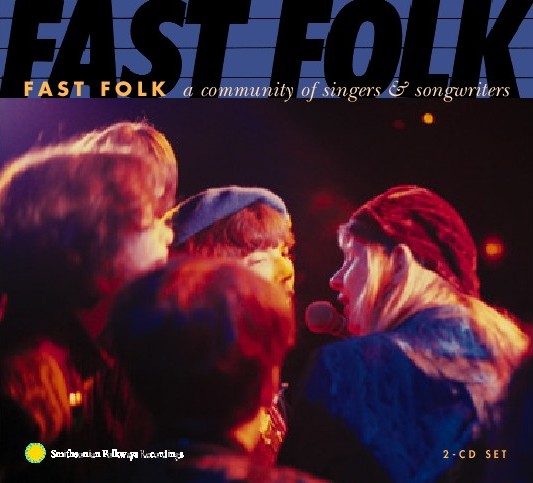
The NYC folk revival was an underground hothouse of confessional acoustic music in 1984; many artists felt ready for major label attention, but recording equipment was prohibitively expensive, and demos were hard to come by. In support of this phenomenon, The Songwriter Collective, a long-standing Greenwich Village coffeehouse and songwriter's performing space, started recording and releasing compilation albums of their singer-songwriters once a month as an audio magazine. They called it Fast Folk, and it quickly became the breeding ground and first recording source for a whole new generation of singer-songwriters.

In its fifteen year run, Fast Folk spawned and sustained a comprehensive revival of folk music in America. Some star players who first recorded for Fast Folk -- Tracy Chapman, Lyle Lovett, Suzanne Vega and Shawn Colvin among them -- would go on to win broad recognition in a folkpop world to come. Others became staples of the coffeehouse and folk festival scene, revitalizing the folk scene for a new community of fans, and providing new blood to replace or replenish the aging folkstars of the sixties and seventies.

One of the first artists from this group to press their own wax, Bill Morrissey was an elder statesman of sorts, his sound a throwback to something older and wiser. Equal parts Mississippi John Hurt, early Hank Williams country, and pure New York/New England folk, he never rose as far as some of his peers. But he remains a respected coffeehouse performer and songwriter whose songs still get covered by new generations of folk musicians.

In his signature strangled tenor, this song is just the most lonesome thing ever. Here's a bonus cover of the same song, done a decade later by another Fast Folk alumni and one of my absolute favorite sweet-voiced women of folk, which comes pretty close.

Lucy Kaplansky: Texas Blues [purchase]

Bonus: Here's a closer look at Bill Morrissey's connection with Mississippi John Hurt, with a few more cover tracks to boot -- including a second cover from Cover Lay Down favorite Lucy Kaplansky.

Sunday, May 25, 2008

1984: What Difference Does It Make


The Smiths: What Difference Does It Make

[purchase]

At some point in the winter of 1984 I was at a friend's house listening to KFSR, the Fresno, California independent radio station, when all of a sudden I heard something that I had never heard before. It was an alienated, angst-ridden, almost-moaning, complaint of a croon. I hadn't paid enough attention to catch who it was that I was listening to so I called the DJ and asked. "It's The Smiths", he said. "We just got it a few weeks ago".

The next day, a different friend and I ditched school (which is something I do not condone, for all of you young readers out there) to stop by Tower Records and pick up The Smiths' eponymous debut album.


This band, with only a handful of others, epitomizes the sound of 1984 for me.

1984: Do You Want New Wave or Do You Want the Truth?


(Minutemen playing in my hometown - Huntington Beach, CA)

Minutemen: Do You Want New Wave or Do You Want the Truth? [purchase]

I wasn't gonna come back to The Minutemen so soon ... really, I promise ... but 1984 just happens to be the year they released their magnum punkrockus opus, Double Nickels On The Dime. So, as you can see, my hands were tied. The one provision I placed on my post was that it somehow pertain to the events in and around 1984. "West Germany" was in the running, but thematically speaking, it was a little too similar to the just-posted "Viet Nam." Thus, "New Wave," a D. Boon/Mike Watt beat-jazz spiel about as far away from new wave as one could get in 1984 and not be a Run-DMC song. "New Wave," of course, was the music industry's attempt to make "punk" music more marketable ... i.e. turn it into pop music ... which Watt's lyrics scornfully address. Spike and/or tease hair, add skinny tie, replace guitar with synthesizer (or better yet, get a synth shaped like a guitar!), lather, rinse, repeat.

Speaking of the beats, Minutemen fans should check out this essay written by Charles Plymell, 1950s beat poet, one-time housemate of Allen Ginsberg and Neal Cassady, and apparently, a bigtime Minutemen fan. Good stuff.

a word war
i set off the keg
my words are war!
should a word have two meanings?
what the fuck for?
should words serve the truth?
i stand for language
i speak for truth
i shout for history
i am a cesspool
for all the shit
to run down in


D. Boon is dead. Long live D. Boon.

1984: Baby I'm A Star


Prince: Baby I'm A Star

[purchase]

1984 was the year Prince broke it open and assured himself icon status in American Pop culture. From the vantage point of 2008, it's hard to believe there was a time when Prince was considered verboten by mainstream audiences, so much so that in 1981, he was booed offstage while opening for the Rolling Stones. It was a much different Pop landscape in those days. Arena Rock was flourishing, fueled by a rotisserie of the same twenty songs shoved down a dulled-down public's ears by AOR Radio. That meant hearing a non-stop drone of Toto, Boston, REO Speedwagon, Kansas, Bon Jovi, Foreigner, Van Halen, etc. for ad infinitum. In 1981, Prince was touring to promote Controversy, an album that had songs like Jack U Off and the title cut, where Prince ponders whether he's "straight or gay". That didn't go over well with the suburban, testosterone-driven, lighter-waving, twenty-something crowd that made up the audience. On October 11th of that year, he opened for The Rolling Stones at the Los Angeles Coliseum. While onstage, wearing his underwear and a trench coat, he was pelted with garbage and booed off to an early ending.

"Don’t say that was because of me, that was the audience doing that. I’m sure wearing underwear and a trench coat didn't help matters - but if you throw trash at anybody, it’s because you weren't trained right at home." - Prince

"It was Mark Brown's second show with us. Here's this 18-year-old kid who looks like a deer in the headlights, in front of 110,000 people at the L.A. Coliseum. Prince was in his full 'Dirty Mind' regalia with the bikini and trench coat. Halfway through the set, those natives got restless. They started taking their Coke cups and throwing them onstage. I look around, and Prince is gone. So I signaled to the rest of the guys: Let's do likewise. Then more stuff got thrown. That audience brought stuff to throw. Someone threw a fifth of Jack Daniels that barely missed Prince's head during the first measure of the first song. A gallon jug of orange juice exploded on Mark's bass. I'd point at people and smile and wave. When all was said and done, we got through the set. Going through that added to Prince's bravado." - Dez Dickerson

"I talked to Prince on the phone once after he got two cans thrown at him in L.A. He said he didn't want to do any more shows. God, I got thousands of bottles and cans thrown at me. Every kind of debris. I told him, if you get to be a really big headliner, you have to be prepared for people to throw bottles at you in the night. Prepared to die!"- Mick Jagger

He was booed right after Jack U Off, you can hear it for yourself. Here's the five-song October 11th show in a zip file.

Then came 1982, the year Michael Jackson released the landmark Thriller, which had the single Beat It. In an attempt to crossover into AOR playlists, Eddie Van Halen was brought in to play one of his patented edgy tapping guitar solos. Jackson's people were going public with charges of racism, so AOR stations added Beat It to their playlists and the song rose up Billboard's Rock Tracks chart. The other big event of that year - Prince came back with a vengeance and released the masterful 1999, his breakthrough album. But he wasn't done and in 1984, topped himself with Purple Rain, which was also tied-in with a film that nearly earned $100 million USD at the box office. He ran the stylistic floor, melding genres such as Funk, R&B, Pop, Rock and Heavy Metal.

1984 marked the time Prince went from barrier-busting artist to the Pop icon status he still claims to this day. Find a copy of Purple Rain, sit down for a good listen and be transported back to a much simpler time when Yakov Smirnoff was considered funny and cable only had 32 channels. It was also the year when Charlie Murphy was schooled by His Royal Badness in B-Ball.

1984: Somebody's Watching Me


Rockwell: Somebody's Watching Me

[purchase if you dare]

On the surface, this song is a total earworm, a "wonder why it hit" by a one hit wonder, a tongue in cheek analysis of paranoia in a Big Brother society - it is 1984, after all - set to the machinebeat crash of early MTV-style R&B.

It's the backstory that makes it worth posting.

See, Kennedy Gordy's daddy is Berry Gordy, Jr., the CEO of Motown Records; Ken wants to make records for his daddy's company, but he doesn't want daddy to know, so he renames himself Rockwell, signs on to Motown, and makes...Somebody's Watching Me, a record focused around an inane title-cut single that for some reason my eleven year old self thought worthy of owning on vinyl. Hard to believe that this was what hit records sounded like, once upon a time.

The song made #1 on the R&B charts, in part because of its visual companion piece: a cheesy "dorky guy meets ghostbusters" video which seemed to have been filmed on the set of a Halloween episode of some suburban sitcom. But in the end, it's all we have to remember: once Daddy found out, Rockwell charted low with one other novelty record (Obscene Phone Caller), recorded a second album that fell like a lead balloon, washed out of the industry. I'd say that's all she wrote, but there appear to be some fans out there, if the Amazon ratings for the album are any judge.

Bonus points because that's Michael and Jermaine Jackson on backup vocals, though. And bonus BONUS points: Somebody's Watching Me was featured in the pilot episode of Miami Vice. This may be as eighties as it gets.

Saturday, May 24, 2008

Little Black Book: Marianne


Stephen Stills: Marianne

[purchase]

Back in 1971, despite their success, Crosby, Stills, Nash and Young were so ambitious that the band alone wasn't enough of an outlet for their creative endeavors, each member released strong solo albums. David Crosby had If I Could Only Remember My Name, Graham Nash with the wonderful Songs For Beginners and Neil Young was between über-classics After The Gold Rush and Harvest. Today's selection, Marianne, is from the aptly named Stephen Stills 2.

Stephen Stills 2 was recorded with Eric Clapton, Billy Preston, Mac (Dr. John) Rebennack, Nils Lofgren, The Memphis Horns, among other luminaries of the seventies Rock scene. On Marianne, Stills channels The Beach Boys with Brian Wilson-like falsetto vocals, it was released as a follow-up single to hit Change Partners. You're a sweet little heart breaker, Marianne...

Little Black Book: Sheila


Morphine: Sheila

[purchase]

Figured I'd squeeze one more in, before our week is done.

My brain has gone a bit wonky, so I'm sort of at a loss of what to say. I think that's why I like music. It will speak for you, if you need it to.

"Sheila" is taken from Morphine's 1993 release Cure For Pain, which is the all-time greatest make-out album. Ever.

Little Black Book: Martha


Tom Waits: Martha

[purchase]

Most people divide up Tom Waits' career into two sections: the drunken barroom crooner and the whacked-out noisy badass. This song, however, predates both...it's the sober barroom crooner. Moreover, all your assumptions about Tom are headed out the window when you hear this voice, so different than the one he cultivated for the rest of his career. Less distinctive, perhaps, but certainly easier on the ears.

The topic of the song is much more complicated than the syrupy strings and wishy-washy melody might indicate. Just as Randy Newman did twenty years later in "I Miss You," Waits sings to a girlfriend/wife that he hasn't talked to in decades. But damn, that's a hell of a torch he's carrying.

Little Black Book: Sara


Bob & Sara Dylan


Bob Dylan: Sara

[purchase]

I can still hear the sounds of those Methodist bells
I'd taken the cure and had just gotten through
Stayin' up for days in the Chelsea Hotel
Writin' Sad-Eyed Lady of the Lowlands for you

Sara, Sara
Wherever we travel we're never apart
Sara, oh Sara
Beautiful lady, so dear to my heart

Happy B-Day, Mr. Zimmerman!

Little Black Book: Gloria


Them: Gloria

[purchase]

Gloria isn't a song, but a shamanistic incantation from Rock's High Priest, Van Morrison. During the earliest live performances, eighteen year old Morrison would often improvise lyrics, sometimes stretching it out to fifteen or twenty minutes long.

I watch her come up to my house
She knocks upon my door
And then she comes up to my room
I want to say she makes me feel all right
G L O R I A
Gloria is one of those epochal numbers whose DNA runs deep in Rock and Roll's genome. Dave Barry joked "If you drop a guitar down a flight of stairs, it'll play 'Gloria' on its way to the bottom." Paul Williams wrote, "Into the heart of the beast... here is something so good, so pure, that if no other hint of it but this record existed, there would still be such a thing as rock and roll.... Van Morrison's voice a fierce beacon in the darkness, the lighthouse at the end of the world. Resulting in one of the most perfect rock anthems known to humankind." I couldn't have said it any better myself - bask in the glory that is Gloria.

Friday, May 23, 2008

Little Black Book: Darcy Farrow


John Denver: Darcy Farrow

[purchase]

Darcy Farrow is a straight-up folk song first recorded in 1965 by Ian & Sylvia, and since recorded by dozens of country and folk musicians, including John Denver, Nanci Griffith, and Jimmy Dale Gilmore. The song was written by Steve Gillette and Tom Campbell. The John Denver version is the only one I own, so that's what you get. If anyone has the original, please pass it my way and I'll include it in the post.

This is a traditional, travis picked, folk tune that tells the tragic story of Darcy Farrow, who was the most beautiful flower that bloomed o'er the range. Local boy, Vandamere, pledged his love to her, but before they could wed, Darcy died in an accident. Soon after, Vandamere put a bullet through his brain.

According to Gillette, the song was inspired by a non-fatal accident that his sister, Darcy, had when she was 12. Tom Campbell wrote the words, with the real Darcy's experience acting as little more than a launching point.

Music is always a personal experience, in the end, and for me I have at least two reasons to love this song, besides the fact that it sounds great:

1 - It's relatively easy to play on the guitar, but sounds hard to play. This kind of thing is gold when it comes to impressing the uninitiated.
2 - I have spent a lot of time in and around the Carson Valley, Virginia City, and Truckee so the scenery is easy for me to imagine.

... Enjoy

Little Black Book: Victoria


Kinks: Victoria [purchase Castle edition of Arthur, which has 10 bonus tracks]

I'm actually kinda shocked no one's posted this yet. This is the song that sent me over the edge for The Kinks. The leadoff track on their 1969 masterpiece, Arthur, "Victoria" is a tongue-in-cheek rebuke of quaint, old British values, while simultaneously longing for those same values. Classic Ray Davies, for sure. Most importantly, the track rocks. New bassist, John Dalton, and perennially underrated badass, Mick Avory, keep the song in the pocket, while Ray and brother Dave's guitars expertly weave in and out of each other's way like they're in a car chase ... much like their vocal harmonies, actually. Best part of the song is where Dave goes mental at "Hong Kong." Priceless.

Little Black Book: Guinnevere


David Crosby: Guinnevere

[purchase]

Once upon a time, the recording was the recording; the very concept of demo versions would have made little sense in a world in which the point of record-making was that it captured the live performance event. These days, of course, performance is repetitive and constant, and some days it seems like every scrap of material is recorded. The end result is a blessing and a curse, part and parcel of the very newness which confounds labels and pits artists and fans against the very recording industry that is supposed to align and represent those parties and more, and going into why and wherefore would take a good couple of hours we just don't have.

But just because something has been recorded doesn't mean it has value. As I discussed in a post about B-sides and rarities over at Cover Lay Down yesterday, many non-album tracks truly belong in the vaults and dusty hallways where they are ultimately unearthed. Demos, especially, often suffer from poor recording quality, not to mention as-yet-unperfected songwriting; though there are plenty of collectors who drool to hear even the muddiest scrap of Nick Drake or Beach Boys outtake, there's a reason why this, after all, was not the version the artists and engineers chose to press into wax for all eternity.

Which makes David Crosby's predominantly solo version of Guinnevere, originally recorded in-studio a year before the release of the full-bore Crosby, Stills, and Nash version, a tripartite anomaly: a demo recording, released by the artists themselves, which is both crystal clear (thanks to some decades-later remixing and a surprisingly crisp source tape) and hauntingly beautiful. It may not have the full-bore CSN harmonies we know from the "original" version, and it seems to have traded the slow build-to-rock we're used to hearing for an acoustic envelope of singer-songwriter sound. And maybe it's my bias as a folkfan. But in my mind, this is the keeper.

Little Black Book: Doralice


Stan Getz & João Gilberto: Doralice

[purchase]

The only line in this song I can make out is "Doralice, you're making me dizzy." Nevertheless, classic song.

Little Black Book: Griselda


Yo La Tengo: Griselda


"Come won't you walk with me Griselda, wearing that dress that moonlight shines through, I am a sad and lonely boy, since your mother said I couldn't see you." That´s Yo La Tengo, with a deceptively simple song from their delightful cover album Fakebook (´90). I´ve never heard the original by Peters Stampfell´s Holy Modal Rounders by the way. Anyone?

Little Black Book: Annabelle


Gillian Welch: Annebelle

[purchase]

I don't know much about Gillian Welch, except that she rose to fame as a result of the O Brother Where Art Thou soundtrack. I only own one album.  Each of the songs on it have a sweet country feel and old fashioned pastoral lyrics. Several of the tracks are really quite beautiful.

The featured track is excruciatingly sad.  A mother with an apparently failing farm mourns the death of her daughter, Annabelle, who was the apple of her eye.

And we can not have all things to please us
No matter how we try
Until we've all gone to Jesus
We can only wonder why

Little Black Book: Rosie


Jackson Browne: Rosie

[purchase]

I was about 8 years old when the album Running On Empty came out.
Little wonder I missed the wink and nod "love interest" from this song, until around five years later.
The song is a tender, beautiful, heartbreaking salute to that "anything is better than nothing" emotion, which will worry souls deep into the night.

And, too, this song represents my second entry for our week's theme that is not really about a woman... Hrm...

"Paging Dr. Benway... Dr. Benway, please pick up the white courtesy phone..."

Little Black Book: Peggy


Toots and the Maytals: Peggy

[purchase]


It seemed like time to start stretching the genre boundaries a bit more here at Der StarMacher, so for those who, like myself, were ever-so-briefly caught up in the late-wave ska revival of the early nineties and ever wondered where that sound really came from, here's some old school that sounds very much like the new(ish) school.

All Toots and Co. need is a slightly tighter sound and a less muddy production, and they could pass for any number of dapper young bands of slightly geeky wannabes from an era that would, eventually, bring us Gwen Stefani as a chameleonic last woman standing. Not that we'd want to strip this song of all its ragged charm, of course: it's the lazy beat that makes this work.

Oh, and if you keep squeezing your woman, but she don't want to squeeze you right, it's a pretty safe bet that she doesn't like you all that much. The pain in Toots' voice as he realizes this is matched perfectly by the wail of the saxophone.

Note: original release was a 1965 single; purchase link goes to Toots and the Maytals website. Also, if anyone knows how to stave off an attacking swarm of hummingbirds, someone named Peggy could really use your assistance.

Little Black Book: Anna


Arthur Alexander: Anna

[purchase]

Arthur Alexander was a big influence on the Rolling Stones and The Beatles—especially John Lennon. AMG calls his body of work “the stuff of genius.” Despite his talent and influence, Alexander is not well known. This particular song was covered by the Beatles, but I favor the original.

Thursday, May 22, 2008

Little Black Book: Donna


Richie Valens: Donna

[purchase]

When Richie Valens was a student at San Fernando High, he wrote this about his girlfriend, Donna Ludwig. The Pacoima, California, native was first known as the "Little Richard of the Valley", most Rock fans recall he was one of the musicians that perished in the fateful plane crash that is known as The Day the Music Died. Donna Ludwig is now Donna Fox, Branch Manager of Sacramento's Eagle Home Mortgage. She's married with grandkids and has a personalized license plate that reads "ODONNA". I had a girl, Donna was her name...

Little Black Book: Suzanne


Leonard Cohen: Suzanne

[purchase]

We speak so easily of lyrics, but music and interpretation are a big part of meaning.

For example, take Suzanne, a sad tale of a second-person hero who falls in with a half-crazy temptress with a perfect body, and - as far as I can tell; Leonard Cohen's lyrical style is often oblique - catches her madness like a virus in the process. In the original version of this 1967 song, Cohen's molasses-slow delivery and lugubrious vowels flavor the lyrics with an aching tone of regret for such recklessness, and its inevitable conclusion. As the first track on Leonard Cohen's first major release, the song would come to set the tone for the incredible career that followed.

But as the history of Hallelujah amply demonstrates, the possibilities for tonal interpretation that Cohen's openly vague poetics provide are vast. Some subsequent covers of Suzanne -- and there are many -- seem to have interpreted the dream-like second verse, with its directly biblical narrative of a pitiable and lonely Jesus, as a prompt towards a more mystical approach, as if we should celebrate the way our almost-narrator openly embraces madness as a kind of visionary model for behavior. Others seem to emphasize the woman, as if the cost did not truly matter, as if to say that love is a madness well worth embracing. Here's a couple of samples, just to prove how much tonal shift can matter to meaning:

Nina Simone: Suzanne [purchase]

Peter Gabriel: Suzanne [purchase]

Neil Diamond: Suzanne [purchase]

Little Black Book: Rosie


[ purchase ]

Bobby Charles: Rosie

This is a bonus cut from Bobby Charles' self-titled debut, one of my new favorites. I can't stress enough the great sound this record provides. Vetiver just released a cover of Bobby's I Must Be In A Good Place Now, showing some much due reverence to this fine LP.

As songs' go, I guess, Rosie's never coming down, and things can never be rosy.

Wednesday, May 21, 2008

Little Black Book: Amoreena


Elton John: Amoreena

[purchase]

Lost, somewhere in the seventies - mom has two records in constant rotation at the Humphries household; Carol King's Tapestry and Elton John's Tumbleweed Connection. I have to admit not being a fan of Mr. John's music, except for this album. I know the guy is talented, he's just not my cup of tea. Amoreena's full of palpable lust and yearning, anyone that's been separated a great distance from a loved one can relate. Lately, I've been thinking how much I miss my lady...

Little Black Book: Debora


T. Rex: Debora

[purchase]

Bwr already posted up Beck's "Debra," which was on my short list, so I'll go with T Rex adding an 'o' to the name...

"Dug a re dug n dug a re dug etc.
Oh Debora, always look like a zebra
Your sunken face is like a galleon
Clawed with mysteries of the Spanish Main, oh Debora..."


Dug a re dug n dug a re dug, indeed.

Little Black Book: Veronica


Elvis Costello: Veronica

[purchase]

OK - I know there are at least three of us who are thinking about posting this song, so I hope you'll forgive me for taking it.

For me, Allison and Veronica are the bookends that mark one of the strongest, if not the strongest, streaks of musical output in rock history. Ten brilliant albums in as many years is a standard that very few artists can compete with (I say 10 instead of 11 because Goodbye Cruel World was a bit of a misstep, in my opinion). Following Veronica, Costello has done some very nice work, but nothing since has ever compared with his initial decade-long burst of activity.

Trust, Armed Forces, This Year's Model, Get Happy, Imperial Bedroom, King of America. Man, that's some great stuff!  This incredible streak started with a girl's name, and it ended in the same way.

I know I'm preaching to the converted, as it seems that most of the authors here are Costello fans. But that's as it should be.

So, sit back and Dig It!

Little Black Book: Delilah


Tom Jones: Delilah

[purchase]

We all know that Samson was a mighty good man, strongest in his day - until Delilah came along and clipped his wig. In 1968, this song reached #2 in the BBC charts, firmly ensconcing Jones as a nonpareil stud muffin hitmaker. Reggie Dwight sings on the chorus, his voice was a bit more front and center on the Elton John records he later worked on. Why, why, why, Delilah?

Little Black Book: Debra


Beck: Debra

[purchase]

Debra is not about a girl named Debra, it's about Debra's sister -- who might be named Jenny. Beck falls for Jenny when he meets her at the JC Penny, but he doesn't discriminate. He'd like to "get with" both of them.

This is one of Beck's funniest and funkiest songs, and is a high point from the album of his that I like least.

Little Black Book: Lucille


Kenny Rogers: Lucille

[purchase]

When I was a kid in the 1970’s, Kenny Rogers was the face of “country music,” or at least that’s how I remember it. A few others that come to mind are Dolly Parton, Chrystal Gale, and Willie Nelson. But The Gambler reigned supreme.

Of all the corny songs from that period (and I say that in the most affectionate way possible), this one might be my favorite. It’s right up there with Coward of the County. Anyway, it’s got a very catchy chorus, a few twists and turns, and even a little bit of a morality with the cheatin’.

Here’s what AMG had to say: "Lucille has all the elements of greatness — a potential one-night stand evaporates and the singer trades sex for heart, becoming a hero in the process. The premise and its hook are unforgettable; simple music dresses up the melody and story by not getting in the way."

Little Black Book: Carrie Anne


The Hollies: Carrie Anne

[purchase]


This is about Marianne Faithfull (the name was changed to protect the guilty). Apparently, she liked to play with older boys and prefects. Enjoy the shiny three-part harmonies of The Hollies, one of my favorite British Invasion bands - dig that steeldrum solo!

Tuesday, May 20, 2008

Little Black Book: Vera


Pink Floyd: Vera

[purchase]

"Does anybody here remember Vera Lynn?"

Well, you've no doubt heard this song before. Weren't copies of The Wall given away with disc players, once upon a time? No? well, it sure seemed like it to me. Everybody in my peer group bought Pink Floyd discs first. "The sound will blow your mind, dude!"

That said, this version may still be new to you. It comes from something called Under Construction: The Second Demo To The Wall. "Vera" is pretty well the same from the official release, albeit rougher, but other tunes have different lyrics, alternate instrumentation, etc., so it's a pretty nice way to review an otherwise over-listened (for me at least) piece.

Little Black Book: Mary Jane


Rick James: Mary Jane

[purchase]

Time to get a little funk up in here. A little funk courtesy the late Rick James, to be precise.

Even though he sings, "I'm in love with Mary Jane. She's my main thing," and even though said Mary is, literally, sch-mokin' hot, Rick has, with a subtle and clever style, managed to double-entendre-trick us into a smoky, dangerous world of illicit pleasures.

Seems he's worked his wily, nefarious ways on MJ, too... Oh, wait, it's just Kirsten Dunst. Now she, in my opinion, is sch-mokin'! Not so much in this picture, but... well, I guess she is totally smoking in this picture. Hrm... not what I meant, but... gah!

Damn you, Rick James, and your infernal weed song!

I was feeling a bit iffy about posting this song: Since it is such an obvious ode to grass, I was worried it might fail the topic. Upon second review, though, I decided it does fit. If you want to imagine this about a girl, go for it...

Me? I'm going to step outside for some *ahem* fresh air.

Little Black Book: Pocahontas


Neil Young: Pokahontas

[purchase]

This is Neil Young at his best, in my opinion. He has had a long and varied career, but when he's sitting in a chair with a guitar and a harmonica he is magical.

The lyrics to this song are sad, moving, and wonderful until you get to the last verse. If I could meet Neil Young in person, the first question I would ask him would be, "Why on earth did you invite Marlon Brando to your amazing fantasy date with Pocahontas?"

Little Black Book: Denise


Randy & The Rainbows: Denise

[purchase]

That was the problem - I liked her, but didn't love her. She came to all my gigs and made sure to wrap herself around me during the breaks, daring all females to pull me from her clutches. She'd always ask me to sing her "Denise", but I'd refuse, since I'd be indirectly saying she had my heart. I soon fell in love with a Canadian girl and told Denise, in a Fatal Attraction moment, she responded by breaking into my house and sliding into my bed, where I found her after I came home. After I sent her out of my life, two years later she married a Navy guy and had a couple of kids. Long before that, the Canadian girl Dear John'ed me that long distance relationships didn't work - aint it funny how life works out.


Little Black Book: Amanda Ruth


Rank & File: Amanda Ruth

[purchase]

One of these days I'm going to get around to doing a post over at my other blog called "Who Invented Alt-Country?" or maybe, "Alt-Country Before Alt-Country Was Cool." It will be all about the interplay between country music and the indie music scene of the 1980's, before Uncle Tupelo and Whiskeytown took "alt-country" to new heights of popularity in the 1990's.

One of the key players in that 1980's "cowpunk" scene (which was what we called it before somebody coined the more marketable term "alt-country") was a band called Rank and File. They combined their punk roots with a love of country twang to produce a couple of great albums in the early 1980's. This song really captures the fun spirit of the cowpunk days.

Little Black Book: Alison


Elvis Costello: Alison

[purchase]

Well I see you've got a husband now
Did he leave your pretty fingers lying in the wedding cake?
You used to hold him right in your hand
Bet he took all he could take


Little Black Book: Louise


Paul Siebel: Louise

This little sad one is from a legendary record, Woodsmoke and Oranges (recently reviewed back on my home page). When this week's theme was announced, I had Woodsmoke on the headphones right next to Plainsong's In Search of Amelia Earhart, and was confused to hear the same tune pop up twice. Turns out the song has been covered by Eric Anderson, Leo Kottke, Bonnie Raitt, Jerry Jeff Walker, Linda Rondstadt, and more!

Here's another for the cover lovers. ;)

Plainsong: Louise

Little Black Book: Helen


Scud Mountain Boys: Helen

[purchase]

This is the final track on the Scud Mountain Boys' second album, Dance the Night Away, and is a pretty clear sign of where the band was headed for their third and best album, Massachusetts. In other words: the studio. This song and "She Took His Picture" are both guitar-pickin' romps--forebearers of "Cigarette Sandwich" from the third album--unlike the dreary (in a good way) ballads that make up the rest of this album and the entirety of their debut, Pine Box. Both early albums were recorded to one microphone set up on co-songwriter Bruce Tull's kitchen table, which made for a couple of perfectly moody records that Pernice has certainly never recaptured.

Not that he's wanted to; he's clearly left lo-fi behind, and "Helen" was the first indication that that was his desire early on. It's a terrific, fun song. I love the way he sneaks Helen's name into the verses, as if the original lyrics were more anonymous but he couldn't keep from dropping his woman's name out the side of his mouth.

Little Black Book: Diane


I used to know a girl named Diane, who worked in promotion for a big record company. Diane once told me she had recently gotten a mixtape from her new boyfriend, which contained Hüsker Dü´s classic Diane. She was very pleased that loverboy had found her a song with her name in the title. I told her to listen closely to the lyrics and dump the guy.

Monday, May 19, 2008

Little Black Book: Wendy


The Beach Boys: Wendy

[purchase]

Wendy, I thought we had our love down pat. Guess I was wrong...

Little Black Book: Susan


The Buckinghams: Susan

[purchase]

This is one of my favorite songs by the excellent 60s group the Buckinghams (along with "Kind of a Drag" and "Hey Baby, They're Playing Our Song"). My favorite thing about this song--which I actually didn't even notice until after I'd owned it for a couple years--is the totally bizarre breakdown that happens toward the end of the song. It literally sounds like the band takes a smoke break, as what sounds like the soundtrack to some sort of noir thriller comes in for a few seconds. Then the band gets back to its lovely little pop song.

Little Black Book: Evangeline


Los Lobos: Evangeline

[purchase]

Considering how unusual the name is (before the very recent spike in popularity, at least), there are a surprising number of songs about Evangeline.

My favorite of the Evangeline tunes is this peppy little number from Los Lobos' debut LP, How Will The Wolf Survive? (which in my humble opinion is a killer record--and a whole lot of fun too).

I tried to find a random Evangeline on Google, but all I got was this celebrity person (shown above). She probably explains the recent popularity of the name. Los Lobos' song in 1984 didn't even make a dent in the name popularity chart.

Sunday, May 18, 2008

Little Black Book: Jezebel


Iron & Wine: Jezebel

[purchase]

Sam Beam of Iron & Wine is a master of creating an image and a feeling through clever and colorful lyrics and through almost painfully authentic vocal and acoustic performances. Jezebel is a song that brings to mind sin, pain, greed, and lust and couples them with redemption, courage, and beauty. Jezebel "was born to be the woman we could blame". Her blouse is on the ground and the hungry dogs come running, roaming, swearing that they will love her. But Sam Beam, or whoever the narrator is, sees beauty and courage when he looks at her. She is the "only shape he'll pray to". She is the "spark for all he's done".

This theme of redemption and beauty rising out of human imperfection runs through much of Beam's work.

The song itself is simple, but achingly beautiful. Beam's alto vocals are sincere and longing. The repetative four-chords of the main guitar riff are hypnotic and lilting.

In my opinion, this is just a gorgeous song. If you haven't heard it before, turn down the lights, close your eyes and give it a listen.

Little Black Book: Cinderella


The first name that came up in my personal black book just happened to be Cinderella. Not because of the sugary Disney dvd´s about the princess with the famous glass slipper my daughter watches all the time though. My adoration for sweet Cinderella is all Gerry Roslie´s fault. With his band the Sonics he recorded a plea to the fairy tale girl that sounds so raw and furious it´s hard to believe it was recorded way back in ´66. The Sonics were a garage band from Tacoma, Washington that never made it big except locally, but proved way influential on the eighties garage punk revival. All together now: "I want to be your feller, hey hey hey hey hey Cinderella..."

Little Black Book: Annie


(Author's note: OK, so I'm a dumbass. I didn't realize we were supposed to add random pictures until I actually read the "Little Black Book" post all the way through to the comments. Stupid reading. Anyway, here's my Annie, decidedly less hirsute than my previous subjects.)

Ronnie Lane: Annie [purchase]

A sadly beautiful number from the unheralded Pete Townshend/Ronnie Lane LP, Rough Mix (1977). "Annie" is actually a Ronnie Lane/Eric Clapton co-write ... ol' Slowhand even adds refreshingly subdued acoustic guitar ... and I'd say it's of a piece with some of Ronnie's tunes with The Faces ("Debris," "Glad And Sorry," maybe "Richmond"). Benny Gallagher's haunting accordion rides atop the backporch country strumming and perfectly complements Lane's soulful singing. A winner in every regard.

If you're an old-school Faces fan, I highly recommend the documentary, The Passing Show: The Life & Music Of Ronnie Lane [purchase]. Like much of Ronnie's best work, it's both sad and curiously life-affirming.

Little Black Book: Estelle


Dan Bern: Estelle

[purchase]

This week is bound to be cool because not only will we get our regular dose of amazing tunes, but we'll also "get to know" a lot of different woman through the lyrics of these songs. I have to assume that in most cases the woman will be real people in the lives of the artists. So, as a man who loves women (none more than my wife) I look forward to hearing about the different personalities.

Meet Estelle. She is described by Bern as "the best person" he ever knew. She's a Mormon woman who calls him drunk every few months and asks him questions about things that he doesn't want to talk about. Bern says that he can't talk to her for long unless he is also drunk, in which case he can talk to her "aawwllll night".

(Note: There are a lot of lyrics in this song. You won't actually meet Estelle until the 5th verse or so.)